

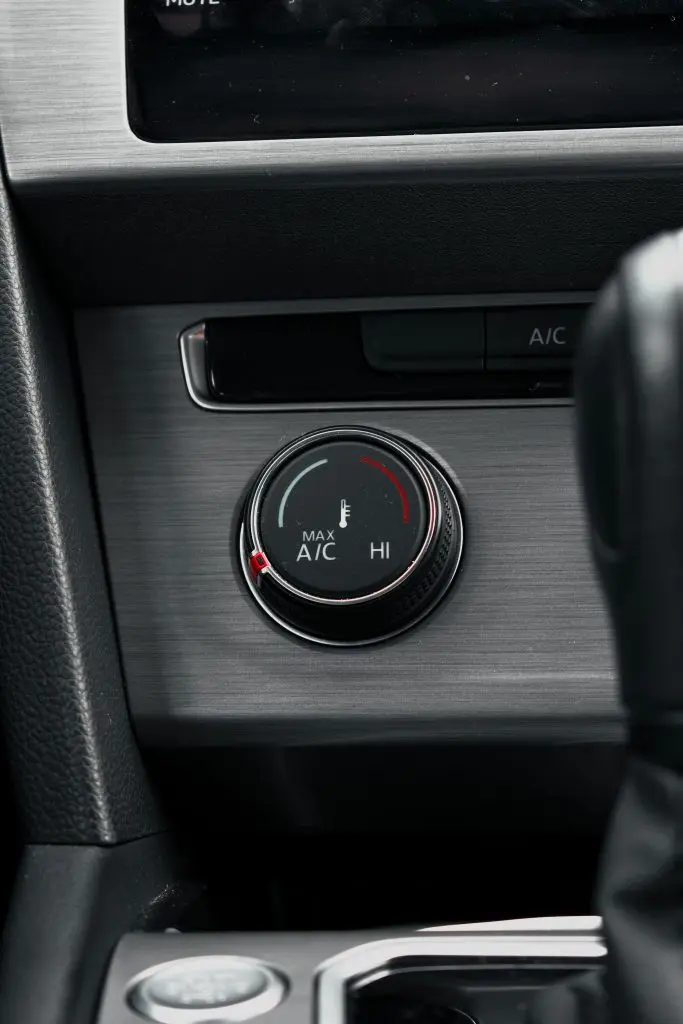
You start the car, turn on the AC, and enjoy cool air for a short time. Then the comfort fades. The vents slowly push warm air even though nothing changed. This problem frustrates many drivers, especially during hot days.
The good news is that this issue usually comes from a few common causes, not magic or bad luck. Once you know what is going wrong, the fix becomes much clearer.
This guide explains why your car AC blows cold at first and then turns warm after a few minutes. Each cause is explained in simple terms so you can spot warning signs early and avoid bigger repair costs.
How Car AC Cooling Is Supposed to Work
Your car’s air conditioning system works in cycles. The compressor pressurizes refrigerant, the condenser releases heat, and the evaporator cools the air before it enters the cabin. When every part works as it should, the system keeps air cold without sudden changes.
When something interrupts this process, cold air stops and warm air takes over.
Low Refrigerant Level Is the Most Common Cause
Refrigerant is the fluid that absorbs heat from inside your car. If the level drops too low, the AC can cool at first but cannot keep working for long.
Why this happens
Small leaks often develop over time. Rubber seals dry out, metal lines corrode, or fittings loosen. At first, there is still enough refrigerant to cool briefly. After a few minutes, pressure drops and cooling stops.
Signs to watch for
- AC cools fast, then fades
- Cooling works better at night
- Hissing sound near the dashboard
- AC cycles on and off quickly
A proper recharge alone will not solve this problem unless the leak is fixed.
AC Compressor Overheating or Failing
The compressor is the heart of the AC system. It runs under heavy load, especially in hot weather or traffic.
What goes wrong
If the compressor begins to wear out, it may work while cold but fail once heat builds up. Many systems shut the compressor off to prevent damage, which causes warm air to blow.
Common symptoms
- Cold air returns after shutting off the car
- Clicking sound when AC stops cooling
- Engine feels strained when AC runs
- AC cuts out more often in traffic
A failing compressor often needs replacement, not repair.
Condenser Airflow Problems
The condenser sits at the front of the car and needs steady airflow to release heat. When airflow drops, cooling performance drops too.
Causes of poor airflow
- Radiator fan not running
- Debris blocking the condenser
- Bent condenser fins
- Overheating engine
What drivers notice
- AC works while driving, not at idle
- Warm air appears in traffic
- Engine temperature runs high
- Cooling improves at highway speeds
Cleaning the condenser or fixing the cooling fan often restores proper AC function.
Electrical Pressure Switch Issues
Modern AC systems use pressure sensors to protect components. If pressure goes too high or too low, the system shuts off the compressor.
Why this causes warm air
A faulty pressure switch may send wrong signals. The system thinks there is danger and turns the compressor off even when conditions are safe.
Symptoms include
- AC shuts off randomly
- Cooling returns without warning
- No strange noises or leaks
- Problem comes and goes
Electrical testing is needed to confirm this issue.
Evaporator Freezing Inside the Dash
The evaporator absorbs heat from cabin air. If it freezes, airflow becomes blocked.
How freezing starts
- Low refrigerant
- Dirty cabin air filter
- Weak blower motor
- Moisture buildup
Ice forms on the evaporator coils. Cold air stops passing through, so vents blow warm or weak air. After turning the AC off, ice melts and cooling returns.
Signs of evaporator freeze
- Airflow drops before warming
- Water leaks under the car
- AC works again after a short rest
- Musty smell from vents
Replacing filters and correcting refrigerant levels usually solves this.
Blend Door or Climate Control Problems
Inside the dashboard, blend doors direct air across hot or cold paths. If a door sticks or an actuator fails, airflow may shift to heat even when AC is on.
What causes this
- Broken plastic gears
- Electrical actuator failure
- Control module errors
Symptoms
- One moment cold, next warm
- Temperature changes with bumps
- Clicking sounds from the dash
- One side cold, other side warm
This issue often requires dashboard inspection.
Engine Overheating Affects AC Performance
When engine temperature rises too much, the AC system may shut off to reduce load.
Why this matters
The AC relies on engine cooling fans. If the engine overheats, the system protects itself by disabling AC cooling.
Warning signs
- AC stops when engine runs hot
- Temperature gauge climbs
- Coolant leaks or low level
- Radiator fan problems
Fixing engine cooling issues often restores AC cooling too.
Expansion Valve or Orifice Tube Trouble
These parts control how much refrigerant enters the evaporator. If they stick or clog, cooling becomes unstable.
What happens
Refrigerant flow becomes uneven. The system cools briefly, then starves or floods, causing warm air.
Signs
- Inconsistent cooling
- Frost on AC lines
- Pressure readings out of range
- AC behavior changes fast
This problem usually needs professional repair.
Why the Problem Gets Worse Over Time
Most AC issues do not fix themselves. Small leaks grow, electrical faults spread, and heat damage builds up. What starts as a short warm spell can turn into total AC failure.
Ignoring early signs often leads to higher repair costs later.
What You Should Do Next
If your car AC blows cold then warm after a few minutes, take action early.
Smart steps
- Check engine temperature
- Inspect radiator fans
- Replace cabin air filter
- Watch AC behavior at idle and speed
- Seek professional pressure testing
AC systems need proper tools for accurate diagnosis. Guessing often leads to wasted money.
Final Thoughts
When your car AC cools at first and then turns warm, the system is sending a warning. The cause is usually low refrigerant, airflow trouble, sensor faults, or heat-related shutdowns. These issues follow clear patterns, and catching them early saves time and stress.
Cool air should stay cool. Once it does not, your car is asking for attention. Fix the cause, not the symptom, and your AC will reward you with steady comfort on every drive.