

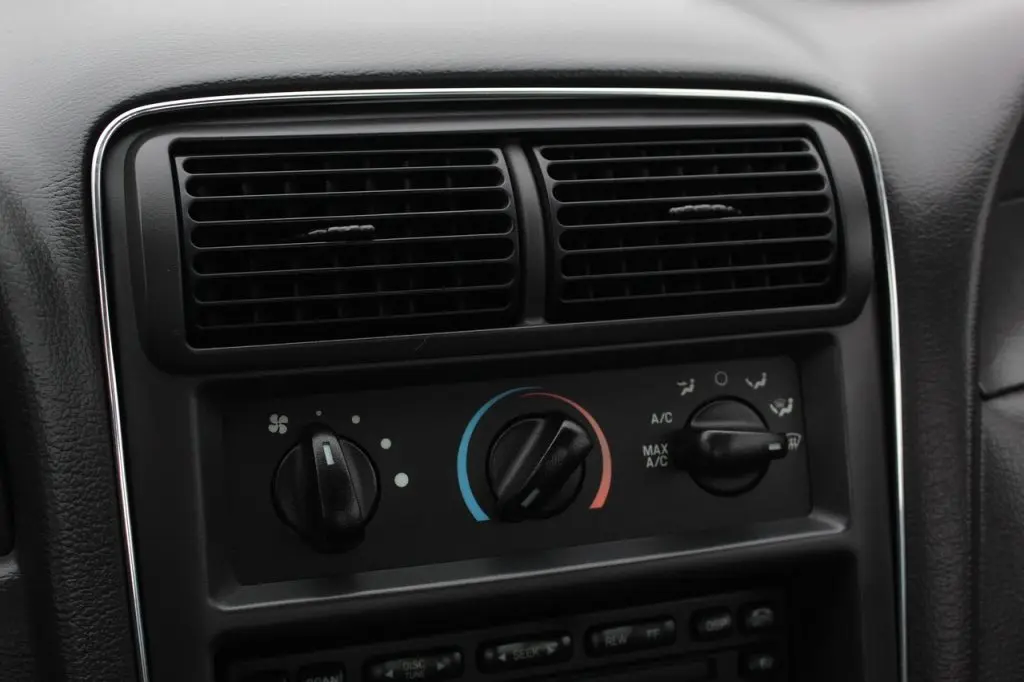
You replace the car AC fuse, start the engine, turn on the air conditioner, and within seconds the fuse pops again. The cabin stays hot, frustration rises, and the problem feels endless.
This issue is common, especially in warm weather when the AC system works harder. A blown fuse is not the real problem. It is a warning sign that something electrical is going wrong inside the system.
This guide breaks down why a car AC fuse keeps blowing and how to solve electrical problems step by step. The language is simple, practical, and focused on real-world fixes that drivers and DIY mechanics can follow.
What the AC Fuse Actually Protects
The AC fuse protects the wiring and components from too much electrical current. When current rises past a safe level, the fuse melts and cuts power. This prevents wires from overheating, melting, or starting a fire.
When a fuse blows once, it can be bad luck. When it blows again and again, the system is pulling more power than it should. That extra draw always has a cause.
The Most Common Electrical Reasons an AC Fuse Keeps Blowing
Shorted Wires in the AC Circuit
Wiring problems are the top cause of repeat fuse failure. Over time, insulation can wear out from heat, vibration, or engine movement. When bare wire touches metal, current spikes instantly.
Common places where this happens include:
- Near the AC compressor
- Around the radiator fan wiring
- Behind the dashboard near the AC control panel
- Along the firewall where wires pass into the cabin
Even a small exposed spot can trigger a fuse blow the moment the AC turns on.
Failed AC Compressor Clutch Coil
The AC compressor clutch uses an electromagnetic coil to engage the compressor. When that coil fails internally, it can draw far more current than designed.
Signs of a bad clutch coil include:
- Fuse blows the moment the AC is switched on
- No clicking sound from the compressor
- Burning smell near the compressor area
This fault almost always requires compressor clutch repair or replacement.
Shorted Pressure Switch or Temperature Sensor
Modern AC systems rely on pressure switches and temperature sensors to control operation. When one of these sensors fails electrically, it can short internally.
This can cause:
- Instant fuse failure
- AC that never engages
- AC that cuts in and out before the fuse blows
A multimeter test usually confirms this issue.
Blown Fuse Due to a Seized Cooling Fan
The AC system depends on radiator or condenser fans to manage heat. If a fan motor begins to seize, it pulls excessive current.
Watch for:
- Fans that spin slowly or not at all
- Fuse blowing when AC and fan turn on together
- Fan making grinding or humming noises
A failing fan motor is a silent fuse killer.
Relay Failure Creating Excess Load
AC relays act as electrical switches. When contacts inside the relay wear out or weld together, they can create resistance or short paths.
Bad relays may cause:
- Random fuse blowing
- AC working sometimes but not others
- Clicking sounds from the fuse box
Relays are inexpensive and often overlooked.
Why Installing a Bigger Fuse Is Dangerous
Using a higher-rated fuse may seem like a quick fix. It is not. A larger fuse allows dangerous current to flow through wires not designed to handle it.
This can lead to:
- Melted wiring
- Damaged control modules
- Electrical fires
- Complete AC system failure
A fuse should never be upgraded beyond factory specifications.
Step-by-Step Process to Fix AC Fuse Electrical Problems
Step 1: Confirm the Correct Fuse Rating
Check the fuse box cover or owner’s manual. Make sure the fuse amperage matches factory specs. Even a slightly higher or lower value can cause trouble.
Step 2: Inspect Visible Wiring
With the engine off, inspect all visible AC-related wiring:
- Compressor connector
- Fan wiring
- Relay sockets
- Fuse box terminals
Look for cracked insulation, burn marks, corrosion, or loose connectors.
Step 3: Disconnect the Compressor and Test
Unplug the AC compressor clutch connector and replace the fuse. Turn on the AC.
- If the fuse does not blow, the compressor or clutch coil is the problem.
- If the fuse still blows, the issue is elsewhere in the circuit.
This simple test saves time and money.
Step 4: Test Relays One by One
Swap the AC relay with another identical relay from the fuse box. If the problem stops, the relay was faulty.
Relays fail more often than most drivers expect.
Step 5: Check Fan Motors
Turn the AC on and watch the radiator and condenser fans. They should spin smoothly and quickly.
A fan that struggles or stops needs replacement.
Step 6: Use a Multimeter for Current Draw
If basic checks do not solve the issue, measure current draw on the AC circuit. Any reading above factory limits points directly to the faulty component.
This step often identifies hidden internal shorts.
Electrical Problems That Appear Only in Hot Weather
Some AC fuse problems show up only during summer. Heat increases electrical resistance and exposes weak components.
Heat-related failures include:
- Weak compressor coils
- Aging relays
- Brittle wiring insulation
- Overloaded fan motors
If the fuse blows more often on hot days, heat stress is playing a role.
Dashboard Control Panel and Hidden Shorts
In some vehicles, the AC control panel or climate control module can short internally. This is more common in older cars with manual controls.
Signs include:
- Fuse blowing when adjusting fan speed
- AC cutting out when buttons are pressed
- Lights flickering on the control panel
These faults often require professional diagnosis.
Why AC Electrical Problems Should Not Be Ignored
Ignoring a blowing AC fuse does more than leave you without cool air. Electrical problems spread fast.
Possible long-term damage includes:
- Burned wiring harnesses
- Failed engine control modules
- Damage to the alternator
- Complete AC system shutdown
Fixing the problem early prevents costly repairs later.
When to Seek Professional Help
If the fuse continues to blow after basic testing, professional help is the smart choice. Advanced diagnostics can trace hidden shorts inside harnesses or control units.
A trained technician uses:
- Circuit diagrams
- Load testers
- Thermal imaging
- Advanced scan tools
This level of testing avoids guesswork.
Preventing Future AC Fuse Failures
Once repaired, a few habits help prevent repeat problems:
- Keep the engine bay clean
- Fix coolant or oil leaks quickly
- Replace weak fans early
- Avoid aftermarket wiring hacks
- Service the AC system regularly
Electrical systems last longer when heat and vibration are controlled.
Final Thoughts
A car AC fuse that keeps blowing is not bad luck. It is a clear electrical warning that should be taken seriously. From shorted wires and failing compressor coils to weak fans and bad relays, the cause always leaves clues.
By following a clear testing process and fixing the real issue, the AC system can return to reliable operation. Cool air is not just about comfort. It is also a sign that your car’s electrical system is healthy and protected.